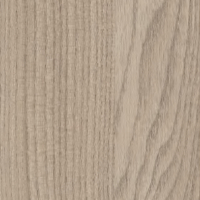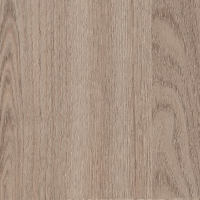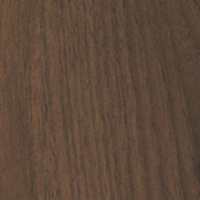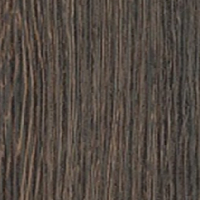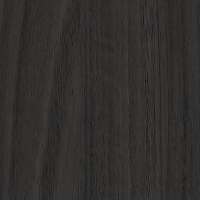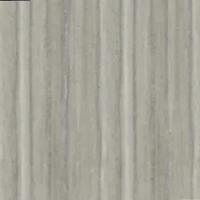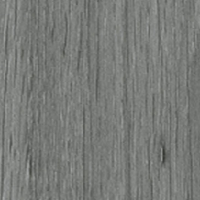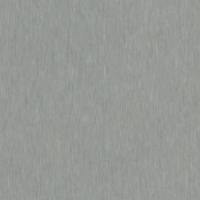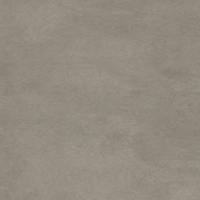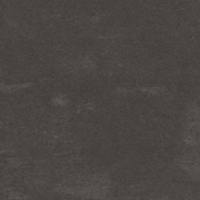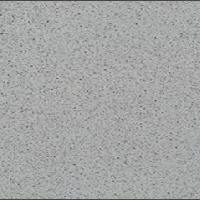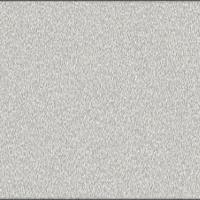
Interactive colour selector
Request Mirage samples
Mirage Colour Options
Preview robust SGL finishes for wet, high-traffic and commercial washroom schemes.
Preview robust SGL finishes for wet, high-traffic and commercial washroom schemes.
The Mirage colour preview is for commercial toilet cubicle projects where durability, moisture resistance and a stronger material specification are important. Mirage is commonly considered for leisure centres, schools, public buildings, busy offices and washrooms where a standard dry-area cubicle range may not be suitable.
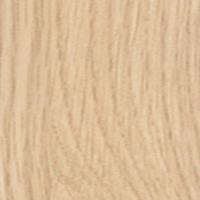
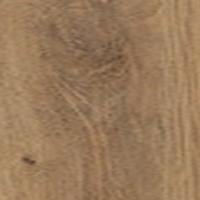
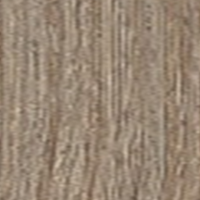
Use this tool to compare door, pilaster and partition finishes before finalising the specification. The most effective Mirage schemes usually balance a practical base colour with a contrasting pilaster or door finish, keeping the washroom easy to maintain while still giving the room a clear design identity.
Mirage finishes can be coordinated with commercial toilet cubicles, Mirage IPS panels and high-use vanity areas.
Mirage is the robust colour range for compact laminate toilet cubicles, shower-adjacent changing areas, leisure centre toilets, pool washrooms and other wet or high-traffic commercial spaces. The colour decision should be made alongside durability, cleaning routine and the rest of the washroom specification rather than treated as decoration only.
For busy public washrooms, a practical Mirage scheme often uses a darker pilaster or partition colour with a contrasting door finish. This can help hide everyday marks around door edges and lock areas while still giving architects, contractors and facilities teams a clear design finish. In pool and leisure environments, colours should also be reviewed against wall cladding, anti-slip flooring, lockers and vanity tops.
Before ordering, we recommend confirming physical SGL laminate samples and checking the scheme against IPS duct panels, cubicle fittings, vanity units and any shower or changing cubicles in the same area. This is particularly important when a project needs a coordinated commercial washroom package rather than cubicles only.
Mirage is a solid grade laminate (SGL) system: a dense, through-thickness compact panel with a non-porous face and no separate core to absorb water. That construction is why it is specified for wet, humid and heavily cleaned washrooms – and it also changes how the finish should be looked after compared with a standard MFC cubicle.
For everyday cleaning, warm water with a neutral detergent on a soft cloth is enough, wiped dry afterwards. Because the panel is non-porous and has no exposed chipboard core, SGL tolerates wet cleaning and commercial washroom disinfectants far better than MFC, which is the main reason it is used in leisure centres, pool changing areas and healthcare washrooms. Even so, avoid abrasive creams, scouring pads and wire wool: they will dull and micro-scratch the surface, and that damage is permanent.
In chlorinated and humid areas, rinse and wipe down surfaces rather than leaving cleaning chemicals or pool water to dry on the panel. Dried residue is the usual cause of the dull, streaky film that appears on cubicle doors in leisure centres, and it is far easier to prevent than to remove. Where water is hard, limescale spotting shows most on very dark, flat colours – something worth weighing up at the colour selection stage rather than after handover.
Deep solid colours and blacks look striking on a drawing but show water spotting, dust and fine scuffing more clearly in service, particularly around locks, hinges and door edges. Mid-tones, woodgrains and textured finishes disguise everyday marks much more effectively. A common compromise in high-use washrooms is a darker pilaster or partition with a lighter door face, which keeps the design contrast while putting the more forgiving finish where hands and trolleys make contact. Fitting finish plays into this too: satin anodised aluminium (SAA) tends to hide fine scratching, while black powder-coated (BPC) hardware gives a stronger visual contrast against pale panels.
The non-porous SGL face releases most marker pen with a proprietary washroom-safe cleaner – test on a concealed area first, then rinse and dry. Because the colour runs through the panel rather than sitting on a thin surface layer, edge impact damage is also far less conspicuous than on an MFC cubicle with applied edging. This combination is why Mirage is a frequent choice for schools, public buildings and other environments where cubicles take deliberate abuse.
Not exactly. Screen calibration, room lighting and the physical texture of the board all affect how a colour reads, and this preview cannot reproduce texture. Use the tool to narrow the choice to two or three combinations, then request physical SGL samples before a tender submission, an architect’s approval or a final order – particularly where the cubicles must sit alongside existing wall cladding, anti-slip flooring or vanity tops.
Record the colour references used on the project. Laminate colours are made in batches and ranges are revised periodically, so an exact match years later cannot be guaranteed. On larger schemes, ordering a spare door or divider with the main order and storing it flat and dry is inexpensive insurance.
No. Total Cubicle Solutions is a supply-only manufacturer. We supply cubicles, Mirage IPS panels, vanity units and fittings to your specification; installation is arranged by your own contractor.